
How Web Design Helps Improve ROI for Growing Businesses
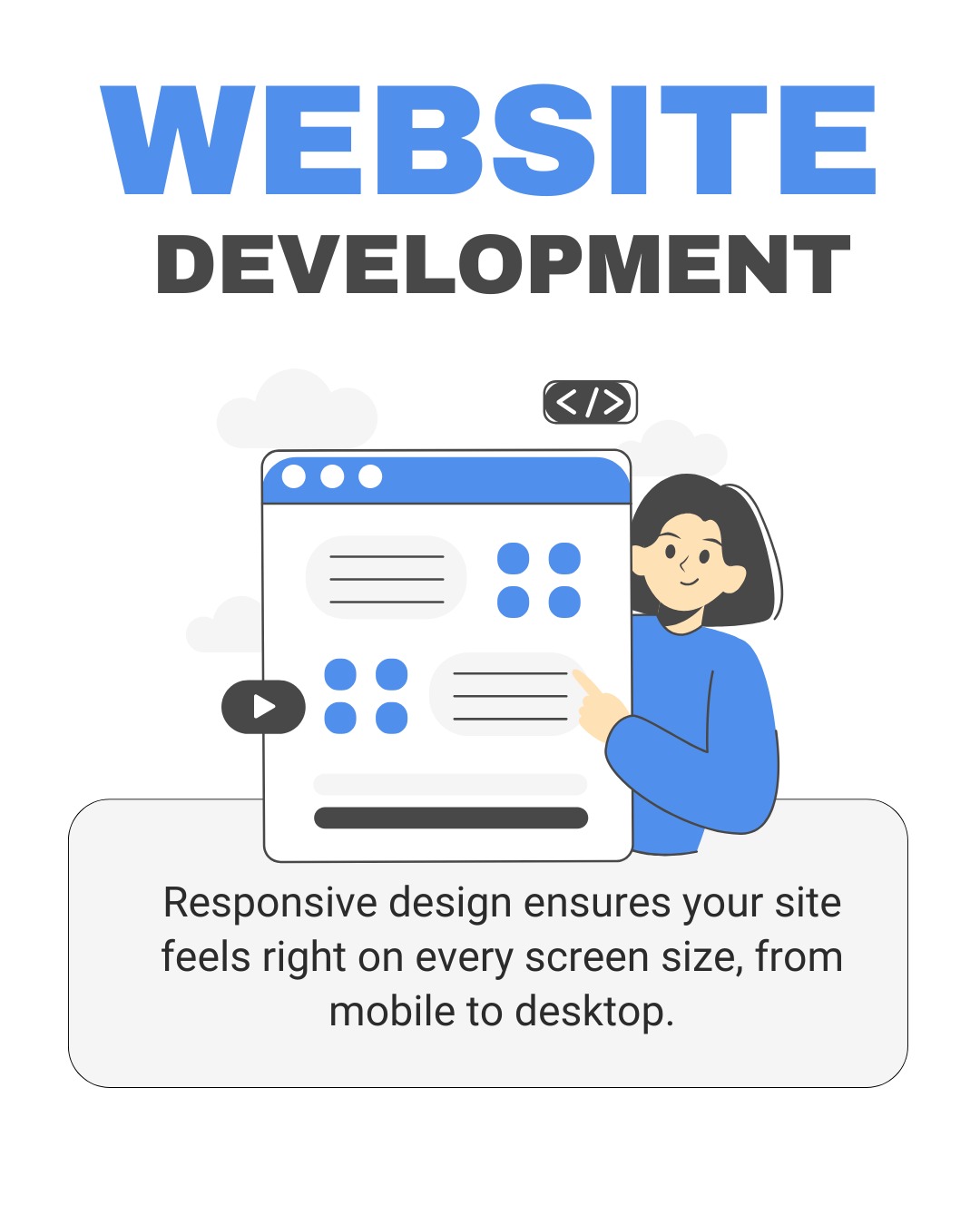
In today’s competitive digital landscape, web design directly impacts business ROI (Return on Investment). A website is no longer just an online brochure—it is a performance-driven platform that influences how users perceive a brand, interact with it, and ultimately convert.
When web design is strategically planned with user experience, SEO, and conversion psychology, it becomes a long-term revenue asset rather than a one-time cost.
1. Strategic Web Design Builds Trust Instantly
Users judge a website within seconds. A poorly designed website creates doubt, while a professional design builds confidence.
High-ROI web design focuses on:
- Clear messaging above the fold
- Consistent branding and typography
- Logical layout with visual balance
When users trust a website, they are far more likely to engage and convert.
SEO & ROI Advantage:
Lower bounce rates and higher engagement signal quality to search engines.
2. Mobile-Responsive Design Expands Conversion Opportunities
Search engines prioritize mobile-first indexing, making responsiveness essential for rankings.
A responsive website:
- Adapts seamlessly across devices
- Improves mobile navigation
- Enhances accessibility
Since most users browse on smartphones, mobile optimization directly affects lead generation.
SEO & ROI Advantage:
Improved rankings + better mobile UX = higher conversion rates.
3. Website Speed Directly Influences Rankings and Revenue
Page speed is both a ranking factor and a conversion factor.
A fast website:
- Reduces user drop-offs
- Improves crawl efficiency
- Enhances user satisfaction
Optimized web design includes:
- Clean code
- Compressed images
- Optimized scripts
SEO & ROI Advantage:
Faster load times improve Core Web Vitals and increase conversions.
4. SEO-Responsive Design Drives Organic Traffic
Web design and SEO are interconnected. A well-structured website makes it easier for search engines to understand content.
SEO-friendly web design includes:
- Proper heading hierarchy (H1–H3)
- Clean URL structures
- Optimized internal linking
- Schema-ready layout
SEO & ROI Advantage:
Better indexing and higher rankings lead to consistent organic traffic without ad dependency.
5. Conversion-Focused UI/UX Improves ROI Without More Traffic
Traffic alone does not guarantee results—conversion optimization does.
Effective UI/UX design:
- Guides users toward clear actions
- Uses strategic CTAs
- Minimizes friction in enquiry forms
Every design element should support a business goal.
SEO & ROI Advantage:
Higher conversions from existing traffic increase ROI without increasing marketing spend.
6. Professional Design Strengthens Brand Value
A premium website design elevates brand perception and positions a business as reliable and credible.
Benefits include:
- Stronger authority
- Better customer confidence
- Higher perceived value
Users are more likely to convert when a brand appears professional.
SEO & ROI Advantage:
Improved trust leads to longer sessions and better behavioral SEO signals.
7. Analytics-Driven Design Enables Continuous Growth
Modern websites integrate analytics to measure:
- User behavior
- Conversion paths
- Drop-off points
Data-driven improvements help businesses refine performance continuously.
Conclusion
Web design plays a critical role in SEO, user experience, and conversions. When executed strategically, it becomes a powerful driver of ROI and long-term digital growth.
A well-designed website does not just look good—it performs, ranks, and converts.